



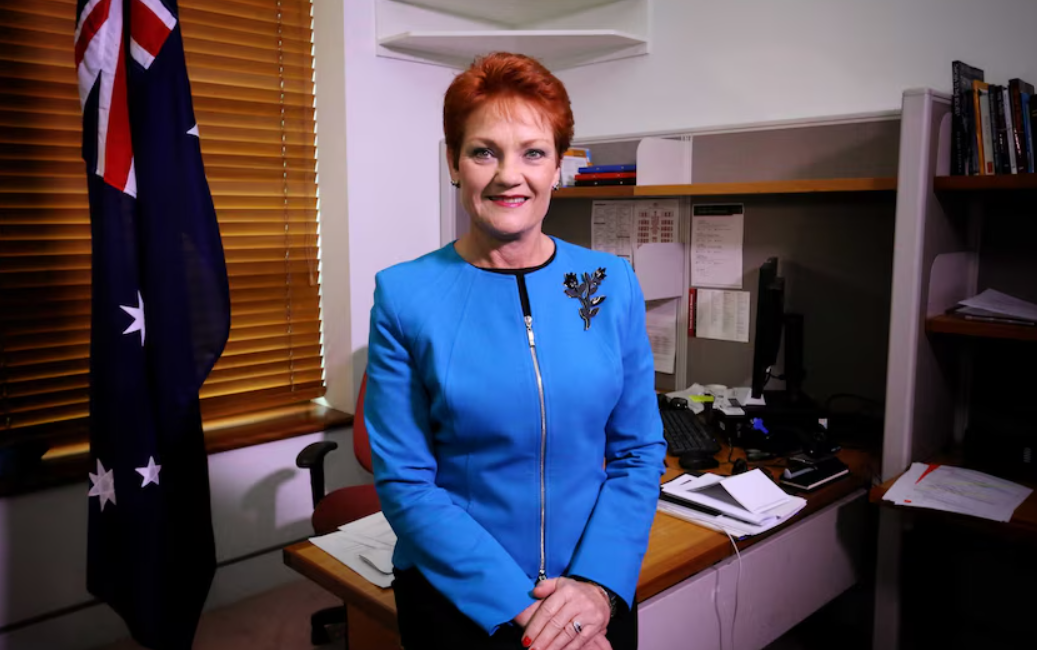
Pauline Hanson has been one of the most debated and polarizing figures in Australian politics for decades. Known for her outspoken views and willingness to challenge mainstream political narratives, Hanson has built a career that consistently draws both strong support and intense criticism.
Entry Into Politics
Pauline Hanson first gained national attention in the mid-1990s when she entered Australian federal politics as a Member of Parliament. Her political rise was marked by outspoken positions on immigration, national identity, and economic concerns affecting working-class Australians.
Soon after entering politics, Hanson founded the political party One Nation, which quickly attracted voters who felt overlooked by traditional political parties. Her blunt communication style and willingness to speak on controversial issues made her both popular with supporters and highly criticized by opponents.
A Career Marked by Debate
From the beginning, Hanson’s political career has been closely tied to controversy. Many of her public statements on immigration, multiculturalism, and national policy sparked heated national debates.
Supporters argue that Hanson speaks openly about issues that many people feel are ignored by major political parties. Critics, however, claim that her rhetoric has sometimes deepened social divisions and fueled political tension.
Regardless of perspective, Hanson’s presence in Australian politics has rarely gone unnoticed.
Political Comebacks and Resilience
Despite political defeats and setbacks over the years, Hanson has repeatedly returned to public office, showing remarkable resilience in the political arena. Her party, One Nation, continues to attract voters dissatisfied with mainstream political options.
Her ability to remain politically relevant over multiple decades highlights both the loyalty of her support base and her skill in staying connected to public frustrations on certain issues.
Media Attention and Public Reaction
Hanson frequently appears in media coverage due to her controversial statements and political positions. Interviews, speeches, and social media posts often trigger nationwide debates, making her one of Australia’s most discussed political figures.
Public reactions to Hanson typically fall into two extremes: strong support from those who see her as a voice for overlooked communities, and equally strong criticism from those who view her positions as divisive.
Influence on Australian Politics
Even among critics, many acknowledge that Pauline Hanson has influenced political discussions in Australia, particularly around immigration, national policy, and economic concerns of regional communities.
Her presence has pushed certain topics into mainstream political debate, forcing larger parties to respond to voter concerns that may otherwise have remained less visible.
Looking Forward
As Australian politics continues to shift, Pauline Hanson remains a figure capable of generating headlines and influencing national conversations. Whether viewed as a political disruptor or a controversial figure, her long-lasting presence in politics is undeniable.
Her legacy will likely continue to be debated, reflecting the deeply divided opinions surrounding her career and impact on Australian political life.

Other Articles

Gary Lineker: From Goal Machine to Media Voice
Barnaby Joyce: A Controversial Figure in Australian Politics