

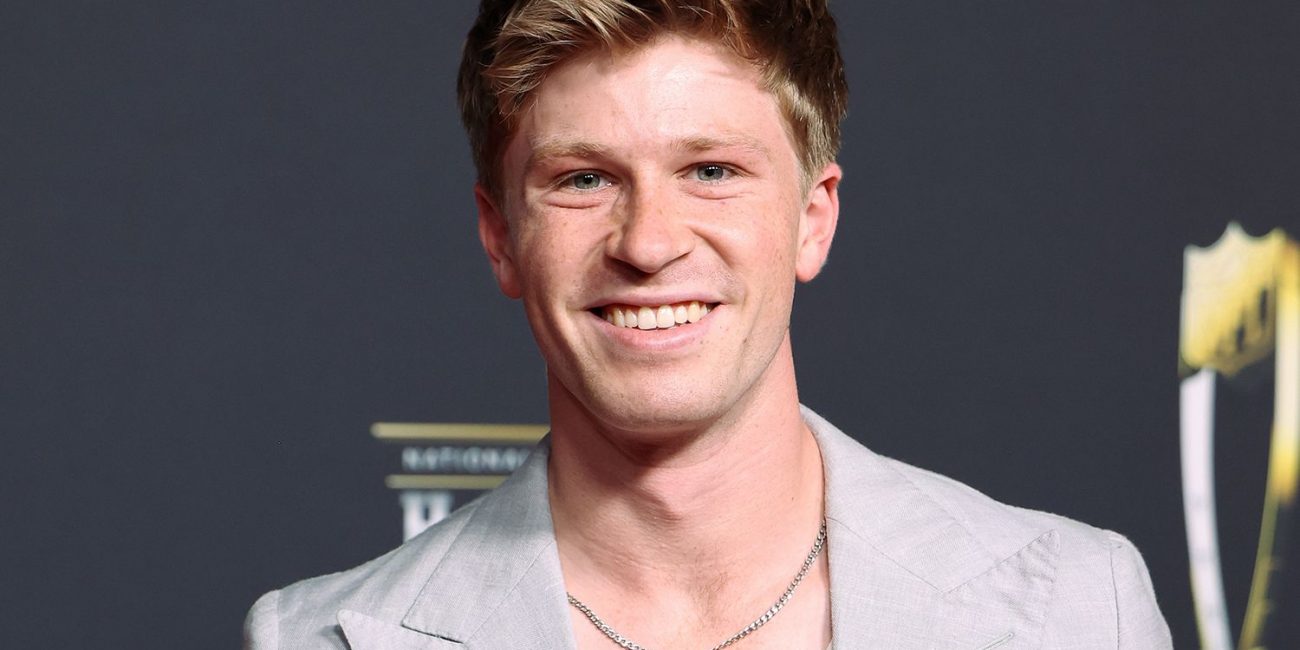
Robert Irwin grew up in front of the world’s eyes, but unlike most public figures, his childhood was deeply connected to wildlife conservation. As the son of the late Steve Irwin, famously known as The Crocodile Hunter, Robert inherited not only global recognition but also a powerful responsibility: continuing his father’s mission of protecting animals and educating people about nature.
Growing Up in a Wildlife Family
Born in 2003 in Australia, Robert Irwin spent his early years surrounded by animals at Australia Zoo, the wildlife park founded by his grandparents and later expanded by his parents. For Robert, encounters with wildlife were part of daily life, not special events.
After Steve Irwin’s tragic death in 2006, the world watched Robert grow up alongside his mother Terri and sister Bindi, who continued the conservation work that made the Irwin family famous. Even as a young child, Robert showed comfort around animals, often appearing in documentaries and zoo programs.
Following in His Father’s Footsteps
As Robert grew older, similarities between him and his father became increasingly noticeable. His energy, passion for wildlife, and natural ability to communicate with audiences reminded many fans of Steve Irwin’s iconic presence.
Robert began hosting wildlife segments, appearing on television shows, and participating in conservation campaigns. His calm and confident handling of animals—from snakes to crocodiles—quickly made him a recognizable figure in wildlife education.
However, Robert has also made it clear that he doesn’t want to simply copy his father’s legacy. Instead, he aims to adapt conservation efforts to modern audiences and challenges.
Fame, Pressure, and Public Attention
Growing up famous is rarely easy, and Robert Irwin has faced intense public attention from a young age. As his popularity has grown internationally, media coverage has expanded beyond wildlife, focusing more on his personal life, career choices, and public appearances.
In recent years, debates have emerged online about whether Robert is being pushed too quickly into celebrity culture, including brand partnerships and media opportunities outside conservation. Some fans worry that commercialization could distract from the family’s environmental mission, while others argue that modern visibility helps spread conservation messages further.
Despite these discussions, Robert continues to emphasize that wildlife protection remains his main priority.
Expanding Beyond Wildlife
In addition to conservation, Robert has developed interests in photography and media production. His wildlife photography has earned awards and international recognition, showing another side of his creative talent.
At the same time, Robert has begun exploring broader media opportunities, appearing at events and collaborating with organizations that align with his values. These steps signal that he may build a career that combines conservation, media, and creative storytelling.
Creating His Own Identity
One of Robert Irwin’s biggest challenges is establishing his own identity separate from his father’s legacy. While comparisons to Steve Irwin are inevitable, Robert appears determined to honor that legacy while adapting it for a new generation.
The modern conservation movement faces different challenges—climate change, habitat destruction, and global environmental awareness—and Robert represents a younger voice capable of reaching new audiences.
The Future Ahead
At only 22 years old, Robert Irwin already carries a global platform that many public figures spend decades trying to build. The real question now is not whether he will continue his father’s work, but how he will shape it in his own way.
Whether through wildlife conservation, photography, or media storytelling, Robert Irwin stands at the intersection of legacy and innovation. And as his journey continues, the world remains curious to see what path he chooses next.

Other Articles
Barnaby Joyce: A Controversial Figure in Australian Politics
María Jesús Montero: trayectoria y liderazgo político