


Introduction
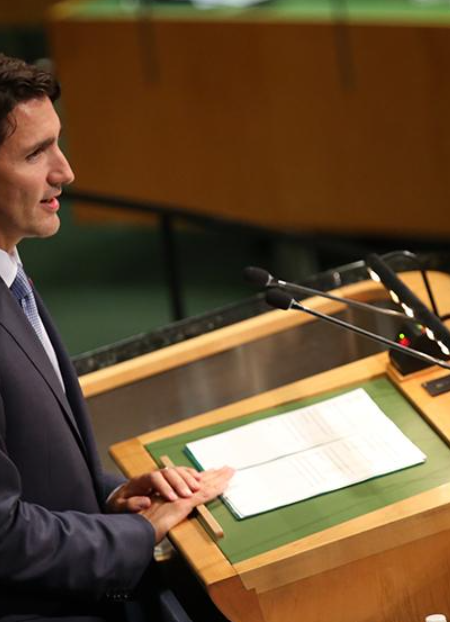
Justin Trudeau has been one of the most prominent political figures in Canada for over a decade. As Prime Minister since 2015, his leadership has been characterized by a combination of progressive ambition, international engagement, and complex domestic challenges.
His tenure offers a case study in modern political leadership within a rapidly changing global and national landscape.
Early Life and Entry into Politics
Born into one of Canada’s most politically significant families, Trudeau grew up immersed in public life. However, his path to politics was not immediate. He worked as a teacher and public speaker before formally entering the political arena.
His leadership of the Liberal Party began during a period of decline for the party, making his eventual electoral victory particularly significant.
Governance and Policy Agenda
Trudeau’s government has pursued an ambitious policy agenda focused on:
- Climate policy and environmental sustainability
- Economic support for the middle class
- Diversity and gender equality in governance
- Immigration policies aimed at openness and integration
These initiatives reflect a broader effort to position Canada as a progressive and inclusive society.
International Role and Diplomacy
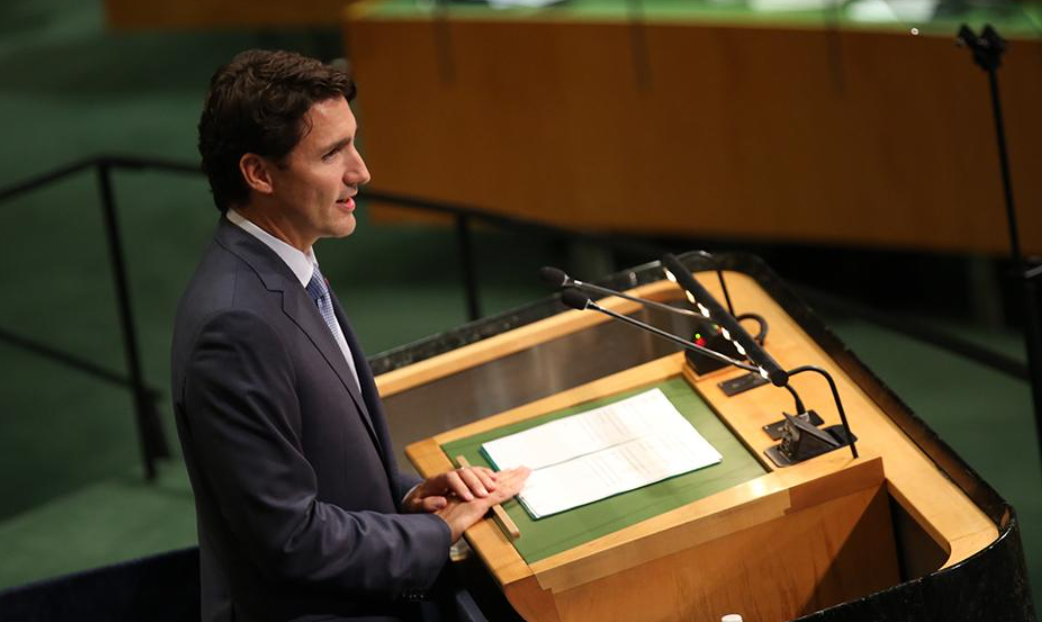
On the global stage, Trudeau has emphasized multilateralism and international cooperation. His approach to foreign policy focuses on maintaining Canada’s role as a stable and collaborative partner in global affairs.
This positioning has strengthened Canada’s diplomatic relationships while also requiring careful navigation of geopolitical tensions.
Crisis Leadership and Adaptability
Trudeau’s leadership has been tested by multiple crises, including economic challenges and the COVID-19 pandemic. His government implemented large-scale financial support programs and public health measures.
These responses demonstrated both the capacity for rapid policy action and the complexities of managing long-term consequences.
Controversies and Criticism
No long-term political leadership is without controversy. Trudeau has faced ethical investigations, public criticism, and political opposition on multiple fronts.
These challenges have shaped public perception, highlighting the tension between political branding and policy outcomes.
Leadership Style and Public Image
Trudeau is often described as a highly charismatic and media-aware leader. His communication style emphasizes relatability and emotional connection, which has contributed to his sustained visibility.
However, this same emphasis has led to criticism that image management sometimes outweighs substantive governance.
Political Longevity and Legacy
As one of the longest-serving leaders in the Western political sphere, Trudeau’s legacy is still evolving. He has influenced Canada’s political identity, particularly in areas of diversity and global engagement.
At the same time, increasing political polarization presents challenges for sustaining long-term support.
Conclusion
Justin Trudeau’s leadership encapsulates the complexities of modern governance. Balancing progressive ambition with political constraints, he remains a central figure in shaping Canada’s present and future.