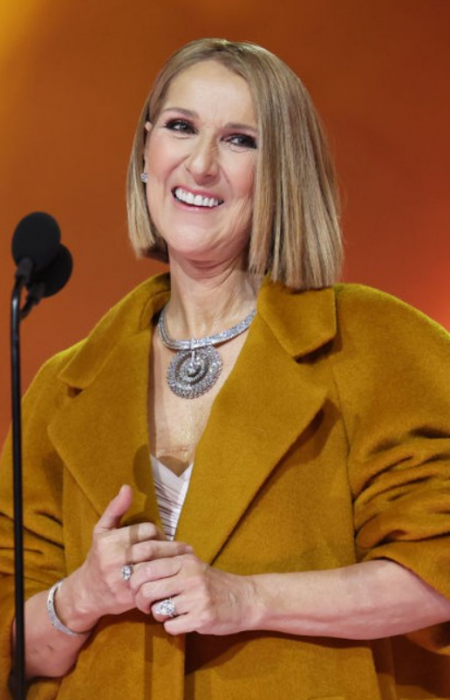




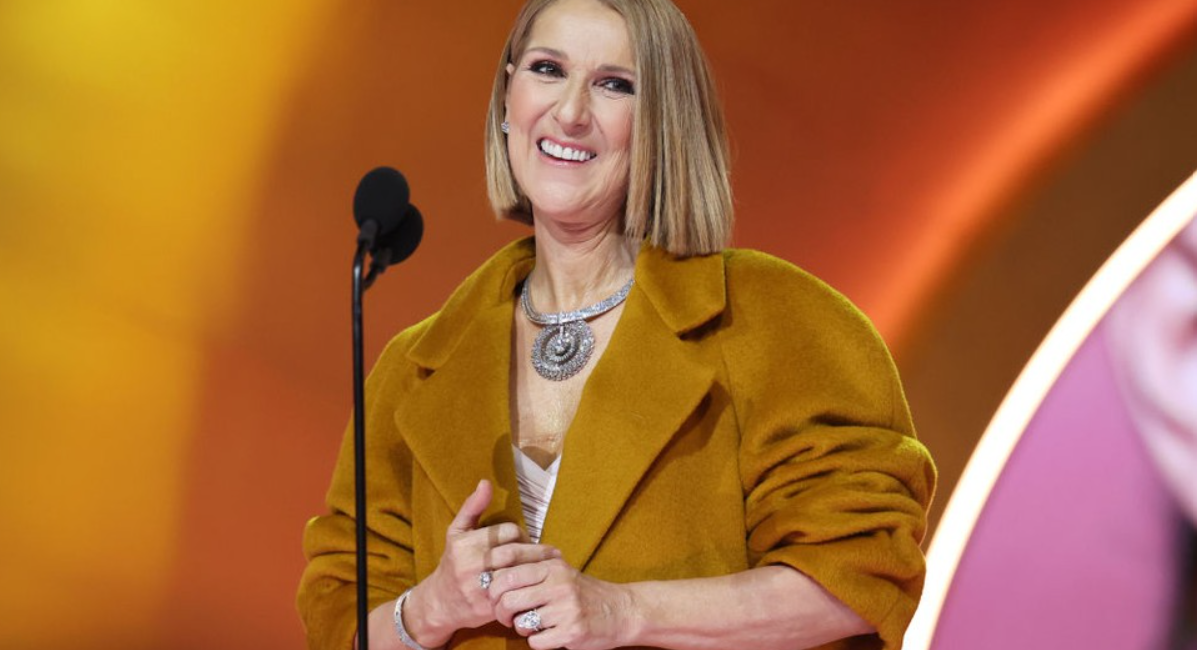
Celine Dion stands as one of the most powerful vocalists in modern music history. Her career is defined by technical excellence, emotional depth, and an enduring connection with global audiences.
Early Life and Breakthrough
Born in 1968 in Charlemagne, Quebec, Dion grew up in a large, musically inclined family. Her early talent was evident, and with the guidance of her manager (and later husband) René Angélil, she quickly rose to prominence in the francophone music scene.
Her international breakthrough came after winning the Eurovision Song Contest in 1988, representing Switzerland—a moment that introduced her to a global audience.
Vocal Technique and Artistic Identity
Celine Dion’s voice is characterized by:
- Exceptional range and control
- Clarity and power across registers
- Emotional expressiveness that enhances lyrical impact
Her performances are often described as deeply immersive, capable of conveying complex emotional narratives.
Global Stardom and Iconic Works
Dion’s transition to English-language albums in the 1990s propelled her to global superstardom. Songs like My Heart Will Go On, associated with the film Titanic, became cultural landmarks.
Her success during this period reflects both her vocal ability and her alignment with cinematic and emotional storytelling.
Las Vegas Residency and Reinvention
Dion’s residency in Las Vegas redefined the concept of long-term live performance. Rather than relying solely on touring, she established a stable, high-quality production that attracted audiences from around the world.
This model has since been adopted by numerous artists, illustrating her influence on the business side of music.
Personal Challenges and Resilience
Dion’s career has been shaped by significant personal challenges, including the loss of her husband and health issues. Her openness about these experiences has deepened her connection with audiences, reinforcing her image as both an artist and a resilient individual.
Cultural Impact and Legacy
Celine Dion’s influence extends beyond music. She represents a model of artistic longevity, demonstrating that technical excellence and emotional authenticity can sustain a career across decades.
Conclusion: A Voice That Transcends Generations
Celine Dion’s legacy is defined not only by her vocal achievements but by her ability to connect with audiences on a deeply human level. Her career illustrates the enduring power of music as a form of emotional expression and cultural connection.